





Fall arrest system
A personal fall arrest system (FAS) is a system designed to minimise injury if a worker should fall from a significant height and experience impact. The purpose of the system is not to stop the fall (that is the purpose of a fall restraint system or fall prevention system), but to limit the injuries that could happen to a worker as a result of the fall's impact.
Fall arrest systems can be permanently installed. They can be used during recurring height related tasks (such as window cleaning, gutter work or regularly scheduled maintenance).
This system is made up of components that may include a body harness, an anchor, a connector, a lanyard, a deceleration device and a lifeline.
These systems must be professionally installed and should be regularly inspected to ensure compliance with health and safety and CDM regulations (Construction Design and Management) regulations. These can be internal inspections carried out by the contractor, third party audits or external inspections by the Health and Safety Executive.
Fall arrest systems should be replaced when necessary. Training is required for proper usage.
Personal fall arrest systems are most commonly used in situations where a fall is possible and a collective restraint system or fall prevention system is not in place.
[edit] Related articles on Designing Buildings Wiki
- BS 7883.
- BS 7883 guide released.
- Collective restraint systems.
- Dynamic self-retracting lanyard.
- Fall prevention systems.
- FASET.
- Hoists.
- Injuries on construction sites.
- Personal fall protection system.
- Safety in high places.
- Safety systems for working at heights.
- Site safety.
- Work at height checklist for managers.
- Work at height regulations.
- Work at height.
- Working at height - our duty to prevent harm and protect each other.
- Working at height training.
[edit] External resources
- Health and Safety Executive, A technical guide to the selection and use of fall prevention and arrest equipment, 2005.
- Health and Safety Executive, Inspecting fall arrest equipment made from webbing or rope, 2009.
- Health and Safety Executive, The Construction (Design and Management) Regulations 2015, 2015.
Featured articles
Check out some of the best features and news from Designing Buildings as well as key stories from around the web.
Mayors are to be given planning call in powers

Mayors across England will be able to make the most important planning decisions.

The Master Builder: William Butterfield and his times. Book review.

Why construction can't afford to ignore the skills gap.
Building Safety Regulator, 19 August

Gill Kernick appointed Independent Chair of Residents’ Panel.
Connecting knowledge, technology and conservation
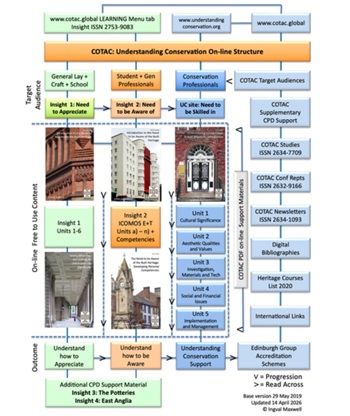
Building competence for the future of built heritage.
Building Regulations and Building Safety Act
CIOB publishes free advice for non-domestic clients.
Building Safety Newsletter from MHCLG.

An extraordinary record of steel engineering worldwide.

Households living near new pylons to save on bills.

ECA warns growth must not outpace grid capacity or skills.
The role of the client and decision making

CIOB response to built environment professions call for evidence.
Construction's sustainability reporting revolution
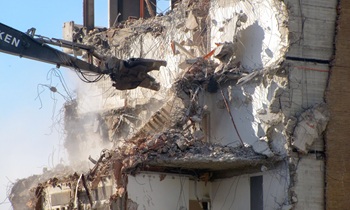
Tracking upfront embodied carbon with digital tools.